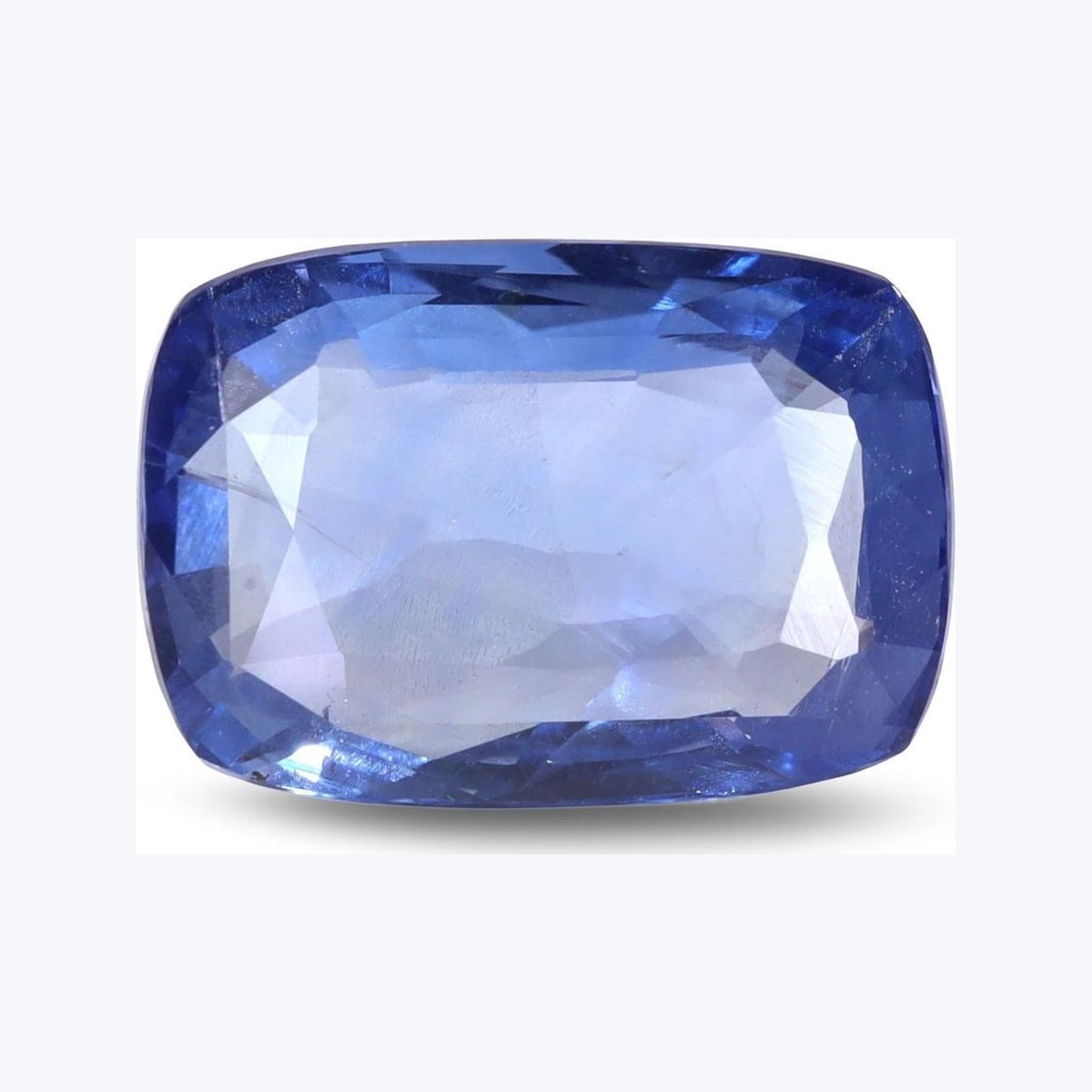
Ceylon Neelam (Blue Sapphire)सीलोन नीलम (ब्लू सैफ़ायर)Saturn • Blue Sapphire
Price on requestकीमत के लिए पूछें
As per tradition, a gemstone is worn on its planet's weekday, in the morning after a bath, preferably in Shukla paksha and outside Rahu Kaal. The ring is cleansed and placed before a lamp, the planet's mantra is chanted 108 times, and it goes on the finger tradition names for that stone. First, confirm with your astrologer that the stone suits your Kundli.परंपरा के अनुसार रत्न उसके ग्रह के वार को, सुबह स्नान के बाद, हो सके तो शुक्ल पक्ष में और राहु काल छोड़कर पहना जाता है। अंगूठी शुद्ध करके दीपक के सामने रखते हैं, ग्रह का मंत्र 108 बार जपते हैं और फिर उसे परंपरा में बताई उँगली में पहनते हैं। पर पहले ज्योतिषी से पुष्टि कर लें कि रत्न आपकी कुंडली के अनुकूल है।
The vidhi is the last step, not the first. In tradition, each ratna is linked with one planet and is believed to strengthen its influence, so whether a stone suits you depends on that planet's place in your birth chart.
Tradition treats Neelam, Gomed and Lehsunia with extra care, and many astrologers add Manik; for Neelam, many suggest a short trial first.
Draw your chart for free with our Kundli calculator.
A written Kundli report shows where each planet stands and the gemstone tradition links with it.
Have a stone in mind? Talk to an astrologer before ordering the ring; a seller, including us, cannot judge whether it suits your chart.
These are the traditional associations on our gemstone pages; if your astrologer advises differently, their advice comes first.
Choosing by Moon sign is a popular shortcut, explained in our rashi ratna guide.
Every listing on our gemstones page shows weight in carat and ratti, origin, natural or treated status, and the lab name and report number where a certificate exists.
| Stone | Planet | Day | Finger | Metal |
|---|---|---|---|---|
| Pukhraj (Yellow Sapphire) | Jupiter (Guru) | Thursday | Index finger | Gold |
| Neelam (Blue Sapphire) | Saturn (Shani) | Saturday | Middle finger | Silver or panchdhatu |
| Panna (Emerald) | Mercury (Budh) | Wednesday | Little finger | Gold or silver |
| Manik (Ruby) | Sun (Surya) | Sunday | Ring finger | Gold or copper |
| Moonga (Red Coral) | Mars (Mangal) | Tuesday | Ring finger | Copper or gold |
| Gomed (Hessonite) | Rahu | Saturday | Middle finger | Silver or panchdhatu |
| Lehsunia (Cat's Eye) | Ketu | Saturday or Tuesday (practices differ) | Middle finger | Silver or panchdhatu |
| Moti (Pearl) | Moon (Chandra) | Monday | Little finger (some traditions: ring finger) | Silver |
Hira (diamond) is Venus's ratna in tradition and is not covered here.
Tradition fixes the day first: the weekday of the stone's planet, such as Thursday for Pukhraj. The ring goes on in the morning after a bath, within a few hours of sunrise.
Shukla paksha, when the Moon grows from Amavasya to Purnima, is traditionally preferred for new beginnings. In 2026 the Ashwin Shukla paksha runs from Navratri on 11 October to Sharad Purnima on 25 October; the Kartik one begins on 10 November, the day of Govardhan Puja.
Avoid Rahu Kaal, a daily window of about an hour and a half kept aside from new auspicious work: one-eighth of the daytime, which eighth depending on the weekday.
| Day | Part of daytime | Rahu Kaal, New Delhi (about) | Stones of that day |
|---|---|---|---|
| Sunday | 8th (last) eighth | 4:29 to 5:57 PM | Manik |
| Monday | 2nd eighth | 7:46 to 9:13 AM | Moti |
| Tuesday | 7th eighth | 3:01 to 4:27 PM | Moonga; Lehsunia in some practices |
| Wednesday | 5th eighth | 12:07 to 1:33 PM | Panna |
| Thursday | 6th eighth | 1:33 to 2:59 PM | Pukhraj |
| Friday | 4th eighth | 10:40 AM to 12:06 PM | None in this guide |
| Saturday | 3rd eighth | 9:14 to 10:40 AM | Neelam, Gomed; Lehsunia in some practices |
Check Rahu Kaal and puja windows for your city on our muhurta page; timings differ by a minute or two between panchangs and by city, so your family pandit's panchang is also a good guide.
Use the metal from the table; where two are given, both are traditional.
Tradition holds that the stone should touch the skin, so jewellers usually leave the back of the setting open. A bezel, a rim holding the stone all round, protects soft Moonga and Moti better than thin prongs.
The weight is your astrologer's call: thumb rules based on body weight circulate, but astrologers decide case by case. Our ratti to carat guide explains the units (1 ratti is roughly 0.91 carat).
Measure your finger in the evening with the ring size finder; between two sizes, choose the larger, especially for a wide band.
As per tradition, the ring is cleansed first. Many families dip it for a few minutes in Gangajal, or in raw milk mixed with water, then rinse it in clean water and wipe it dry.
Some pandits use panchamrit or an overnight soak. Hard stones like Pukhraj, Neelam and Manik (9 on the Mohs scale) take this easily; softer gems do not.
This simple home vidhi, common in North Indian families, takes about half an hour; if your pandit follows a different order, follow the pandit.
Prefer a priest to perform a puja for the planet? See the poojas you can book online.
Tradition chants the mantra of the stone's planet 108 times on a mala. The table gives the simple naam mantra of each planet, the same short mantra used in our Kundli report.
If a full mala is not possible, chant with attention as many times as you can.
| Planet (stone) | Naam mantra |
|---|---|
| Surya, Sun (Manik) | Om Suryaya Namah |
| Chandra, Moon (Moti) | Om Chandraya Namah |
| Mangal, Mars (Moonga) | Om Mangalaya Namah |
| Budh, Mercury (Panna) | Om Budhaya Namah |
| Guru, Jupiter (Pukhraj) | Om Gurave Namah |
| Shukra, Venus (Hira in tradition) | Om Shukraya Namah |
| Shani, Saturn (Neelam) | Om Shanaishcharaya Namah |
| Rahu (Gomed) | Om Rahave Namah |
| Ketu (Lehsunia) | Om Ketave Namah |
Your family pandit or astrologer may give a different (beej or Vedic) mantra; follow them.
There is no single rule across India. Many families wear a ratna on the right, working hand, and our Pukhraj guide follows that custom.
Some traditions advise the left hand for women, while many families use the right hand for everyone. Ask your astrologer which custom to follow.
Astrologers check combinations before advising two stones, as tradition treats some planets as friends and others as opposed; Manik (Sun) with Neelam (Saturn) is a pairing often cited as one to avoid.
Do not add a second stone on your own. A Navratna ring, setting the nine traditional stones together, is a separate tradition; ask your astrologer about it.
A ring is the usual choice, as the stone sits against the skin. Where a ring is not practical, some families use an open-back pendant on their astrologer's advice.
Crystal bead bracelets such as Citrine, Amethyst and Tiger Eye are a lighter category; many people wear them after a wash and a short prayer.
Some families choose a lighter, more affordable stone linked in tradition with the same planet, like Citrine for Jupiter or Amethyst for Saturn. Tradition does not treat it as equal to the ratna, and Pukhraj and Citrine are not interchangeable.
धारण विधि आख़िरी क़दम है, पहला नहीं। ज्योतिष शास्त्र के अनुसार हर रत्न एक ग्रह से जुड़ा है और माना जाता है कि वह उस ग्रह का प्रभाव बढ़ाता है, इसलिए रत्न आपके लिए सही है या नहीं, यह कुंडली में उस ग्रह की स्थिति पर निर्भर है।
परंपरा में नीलम, गोमेद और लहसुनिया को ख़ास सावधानी से देखा जाता है, और कई ज्योतिषी माणिक को भी इसमें रखते हैं; नीलम के लिए कई ज्योतिषी पहले कुछ दिन आज़माने की सलाह देते हैं।
अपनी जन्म कुंडली हमारे मुफ़्त कुंडली कैलकुलेटर पर ख़ुद बनाएँ।
लिखित कुंडली रिपोर्ट में हर ग्रह की स्थिति और परंपरा में उससे जुड़ा रत्न दिया जाता है।
किसी रत्न को लेकर सवाल हो तो अंगूठी बनवाने से पहले ज्योतिषी से बात करें; कोई विक्रेता, हम भी, यह तय नहीं कर सकता कि रत्न आपकी कुंडली के अनुकूल है या नहीं।
नीचे वही परंपरागत संबंध हैं जो हमारे रत्न पेजों पर दिए गए हैं; ज्योतिषी कुछ अलग बताएँ तो पहले उनकी बात।
राशि के हिसाब से रत्न चुनने का प्रचलित तरीक़ा हमारी राशि रत्न गाइड में समझाया गया है।
हमारे रत्न पेज की हर लिस्टिंग में कैरेट और रत्ती में वज़न, उद्गम, प्राकृतिक या ट्रीटेड स्थिति, और जहाँ सर्टिफ़िकेट है वहाँ लैब का नाम और रिपोर्ट नंबर दिया जाता है।
| रत्न | ग्रह | दिन | उँगली | धातु |
|---|---|---|---|---|
| पुखराज | बृहस्पति (गुरु) | गुरुवार | तर्जनी (इंडेक्स फ़िंगर) | सोना |
| नीलम | शनि | शनिवार | मध्यमा (बीच की उँगली) | चाँदी या पंचधातु |
| पन्ना | बुध | बुधवार | कनिष्ठा (छोटी उँगली) | सोना या चाँदी |
| माणिक | सूर्य | रविवार | अनामिका (रिंग फ़िंगर) | सोना या ताँबा |
| मूंगा | मंगल | मंगलवार | अनामिका (रिंग फ़िंगर) | ताँबा या सोना |
| गोमेद | राहु | शनिवार | मध्यमा (बीच की उँगली) | चाँदी या पंचधातु |
| लहसुनिया | केतु | शनिवार या मंगलवार (प्रथाएँ अलग हैं) | मध्यमा (बीच की उँगली) | चाँदी या पंचधातु |
| मोती | चंद्र | सोमवार | कनिष्ठा (कुछ परंपराओं में अनामिका) | चाँदी |
हीरा परंपरा में शुक्र का रत्न माना जाता है; इस लेख में उसकी बात नहीं की गई है।
परंपरा में पहले दिन देखा जाता है: रत्न के ग्रह का वार, जैसे पुखराज के लिए गुरुवार, और समय सुबह स्नान के बाद, सूर्योदय के कुछ घंटों के भीतर।
नई शुरुआत के लिए शुक्ल पक्ष अच्छा माना जाता है, जब अमावस्या के बाद चाँद पूर्णिमा तक बढ़ता है। 2026 में आश्विन का शुक्ल पक्ष 11 अक्टूबर (नवरात्रि) से शरद पूर्णिमा (25 अक्टूबर) तक है; कार्तिक का शुक्ल पक्ष 10 नवंबर, गोवर्धन पूजा के दिन से शुरू होगा।
राहु काल से बचें: यह रोज़ लगभग डेढ़ घंटे का समय है जिसमें परंपरा नया शुभ काम शुरू नहीं करती। यह दिन के उजाले का आठवाँ भाग है, और कौन-सा भाग, यह वार पर निर्भर है।
| वार | दिन का कौन-सा भाग | राहु काल, नई दिल्ली (लगभग) | उस वार के रत्न |
|---|---|---|---|
| रविवार | आठवाँ (आख़िरी) भाग | शाम 4:29 से 5:57 | माणिक |
| सोमवार | दूसरा भाग | सुबह 7:46 से 9:13 | मोती |
| मंगलवार | सातवाँ भाग | दोपहर 3:01 से 4:27 | मूंगा; कुछ परंपराओं में लहसुनिया |
| बुधवार | पाँचवाँ भाग | दोपहर 12:07 से 1:33 | पन्ना |
| गुरुवार | छठा भाग | दोपहर 1:33 से 2:59 | पुखराज |
| शुक्रवार | चौथा भाग | सुबह 10:40 से दोपहर 12:06 | इस लेख का कोई रत्न नहीं |
| शनिवार | तीसरा भाग | सुबह 9:14 से 10:40 | नीलम, गोमेद; कुछ परंपराओं में लहसुनिया |
अपने शहर का राहु काल और पूजा का शुभ समय हमारे मुहूर्त पेज पर देखें; अलग-अलग पंचांगों और शहरों में एक-दो मिनट का अंतर हो सकता है, इसलिए अपने पंडित जी का पंचांग भी देख लें।
धातु तालिका के अनुसार रखें; जहाँ दो धातुएँ लिखी हैं, वहाँ दोनों परंपरागत हैं।
परंपरा में माना जाता है कि रत्न त्वचा को छूना चाहिए, इसलिए सुनार जड़ाई का पिछला हिस्सा आमतौर पर खुला छोड़ते हैं। मूंगा और मोती जैसे नरम रत्नों के लिए पतले पंजों की बजाय चारों ओर से घेरने वाली जड़ाई (बेज़ल) ज़्यादा सुरक्षित रहती है।
रत्न कितनी रत्ती का हो, यह ज्योतिषी तय करते हैं: शरीर के वज़न से रत्ती निकालने जैसे अंदाज़े चलते हैं, पर ज्योतिषी हर व्यक्ति के लिए अलग देखते हैं। इकाइयों का हिसाब हमारी रत्ती से कैरेट गाइड में है (1 रत्ती लगभग 0.91 कैरेट)।
उँगली का नाप शाम को अंगूठी नाप पेज की मदद से घर पर लें; दो नापों के बीच हों तो बड़ा नाप चुनें, ख़ासकर चौड़ी अंगूठी के लिए।
परंपरा में पहनने से पहले अंगूठी शुद्ध की जाती है। कई परिवार उसे कुछ मिनट गंगाजल में, या पानी मिले कच्चे दूध में रखते हैं, फिर साफ़ पानी से धोकर पोंछ लेते हैं।
कुछ पंडित पंचामृत से स्नान कराते हैं या रात भर भिगोते हैं। पुखराज, नीलम और माणिक जैसे कठोर रत्न (मोह्स पैमाने पर 9) इसे आसानी से सह लेते हैं, नरम रत्न नहीं।
यह उत्तर भारत के परिवारों में प्रचलित सरल घरेलू विधि है, जिसमें लगभग आधा घंटा लगता है। आपके पंडित जी का क्रम अलग हो तो उन्हीं का पालन करें।
ग्रह की पूजा पंडित जी से करवानी हो तो ऑनलाइन बुक होने वाली पूजाएँ देखें।
परंपरा में रत्न के ग्रह का मंत्र माला पर 108 बार जपा जाता है। तालिका में हर ग्रह का सरल नाम मंत्र दिया गया है, वही छोटा मंत्र जो हमारी कुंडली रिपोर्ट में है।
पूरी माला न हो सके तो जितनी बार हो सके, मन लगाकर जपें।
| ग्रह (रत्न) | नाम मंत्र |
|---|---|
| सूर्य (माणिक) | ॐ सूर्याय नमः |
| चंद्र (मोती) | ॐ चंद्राय नमः |
| मंगल (मूंगा) | ॐ मंगलाय नमः |
| बुध (पन्ना) | ॐ बुधाय नमः |
| गुरु (पुखराज) | ॐ गुरवे नमः |
| शुक्र (परंपरा में हीरा) | ॐ शुक्राय नमः |
| शनि (नीलम) | ॐ शनैश्चराय नमः |
| राहु (गोमेद) | ॐ राहवे नमः |
| केतु (लहसुनिया) | ॐ केतवे नमः |
आपके परिवार के पंडित या ज्योतिषी कोई और (बीज या वैदिक) मंत्र बताएँ, तो वही जपें।
पूरे भारत में इसका एक नियम नहीं है। बहुत से परिवार रत्न दाहिने हाथ में पहनते हैं, जिससे ज़्यादातर काम होता है; हमारी पुखराज गाइड में भी यही रीति है।
कुछ परंपराओं में महिलाओं के लिए बायाँ हाथ बताया जाता है, तो कई परिवार सबके लिए दाहिना हाथ रखते हैं। किस रीति को मानें, यह ज्योतिषी से पूछ लें।
दो रत्न सुझाने से पहले ज्योतिषी उनका मेल देखते हैं, क्योंकि परंपरा में कुछ ग्रह आपस में मित्र और कुछ विरोधी माने जाते हैं। जिस जोड़ी से अक्सर बचने को कहा जाता है, वह है माणिक (सूर्य) और नीलम (शनि)।
अपनी मर्ज़ी से दूसरा रत्न न जोड़ें। नवरत्न अंगूठी, जिसमें नौ परंपरागत रत्न एक साथ जड़े जाते हैं, अलग परंपरा है; उसके बारे में भी ज्योतिषी से पूछें।
अंगूठी सबसे आम है, क्योंकि उसमें रत्न त्वचा से लगा रहता है। अंगूठी संभव न हो तो कुछ परिवार ज्योतिषी की सलाह से खुली पीठ वाला लॉकेट पहनते हैं।
सिट्रीन, एमेथिस्ट और टाइगर आई जैसे क्रिस्टल मनकों के ब्रेसलेट हल्की श्रेणी के हैं; बहुत से लोग इन्हें बस धोकर और छोटी प्रार्थना करके पहनते हैं।
कुछ परिवार उसी ग्रह से परंपरा में जुड़ा हल्का और किफ़ायती पत्थर चुनते हैं, जैसे गुरु के लिए सिट्रीन या शनि के लिए एमेथिस्ट। परंपरा इसे रत्न के बराबर नहीं मानती, और पुखराज व सिट्रीन एक-दूसरे की जगह नहीं लेते।
Tradition prefers at least a short puja: a bath, a lamp, cleansing the ring and the planet's mantra. When that is not possible, many pandits accept a sincere prayer with the mantra on the right weekday. Ask your family pandit.
Practices differ: many people keep the ring on day and night, others take it off to sleep or bathe. Removing it for soap and heavy work protects the stone, and many families say the mantra once when putting it back.
Tradition avoids starting auspicious work in Rahu Kaal, and putting on a new ratna counts as such work. On Saturdays and Mondays it falls in the morning (in Delhi in mid-October 2026, about 9:14 to 10:40 AM and 7:46 to 9:13 AM), so check your city's time first.
Tradition as commonly practised sets no fixed waiting period. Most families wear the stone on the next suitable weekday of its planet in Shukla paksha, once the ring is ready.
Take it off and show it to a jeweller; a small edge chip can sometimes be re-polished, a deep crack cannot. Some families keep a broken stone respectfully in the puja place or immerse it in flowing water. Ask your astrologer before replacing it.
Only if an astrologer advises it after reading your chart. Tradition treats some planets as opposed, such as the Sun and Saturn, so Manik and Neelam are often kept apart. Do not combine stones on your own.
Many families treat Navratri as auspicious for new beginnings, and it falls in Shukla paksha. Between 11 and 20 October 2026 every weekday comes at least once, such as Thursday 15 October for Pukhraj. Confirm the stone with your astrologer first.
परंपरा कम से कम छोटी पूजा को अच्छा मानती है: स्नान, दीपक, अंगूठी की शुद्धि और ग्रह का मंत्र। पूरी विधि संभव न हो तो कई पंडित सही वार को सच्चे मन से की गई प्रार्थना और मंत्र को काफ़ी मानते हैं। अपने पंडित जी से पूछ लें।
प्रथाएँ अलग हैं। बहुत से लोग अंगूठी दिन-रात पहने रहते हैं, कुछ सोते या नहाते समय उतार देते हैं। साबुन, रसायन और भारी काम के समय उतारने से रत्न सुरक्षित रहता है, और दोबारा पहनते समय कई परिवार एक बार मंत्र बोल लेते हैं।
परंपरा राहु काल में नया शुभ काम शुरू नहीं करती, और नया रत्न धारण करना ऐसा ही काम है। शनिवार और सोमवार को यह सुबह पड़ता है (अक्टूबर 2026 के मध्य में दिल्ली में लगभग 9:14 से 10:40 और 7:46 से 9:13), इसलिए पहले अपने शहर का समय देख लें।
आम तौर पर मानी जाने वाली परंपरा में कोई तय इंतज़ार नहीं है। ज़्यादातर परिवार अंगूठी तैयार होते ही, शुक्ल पक्ष में रत्न के ग्रह के अगले वार को उसे पहन लेते हैं।
उसे उतारकर जौहरी को दिखाएँ; किनारे की छोटी चिप कभी-कभी दोबारा पॉलिश हो जाती है, गहरी दरार नहीं। कुछ परिवार टूटा रत्न आदर से पूजा के स्थान पर रख देते हैं या बहते पानी में प्रवाहित करते हैं। नया रत्न लेने से पहले ज्योतिषी से पूछें।
तभी, जब ज्योतिषी कुंडली देखकर ऐसा कहें। परंपरा में कुछ ग्रह आपस में विरोधी माने जाते हैं, जैसे सूर्य और शनि, इसलिए माणिक और नीलम को अक्सर साथ नहीं पहना जाता। अपने मन से रत्न न मिलाएँ।
बहुत से परिवार नवरात्रि के दिनों को नई शुरुआत के लिए शुभ मानते हैं, और ये शुक्ल पक्ष में आते हैं। 11 से 20 अक्टूबर 2026 के बीच हर वार कम से कम एक बार आता है, जैसे पुखराज के लिए गुरुवार 15 अक्टूबर। पहले ज्योतिषी से रत्न की पुष्टि कर लें।
How we wrote this: the steps follow the classical tradition as commonly practised and the practice of our astrologers. The finger, metal and day for each stone come from our gemstone pages, and the Rahu Kaal times and 2026 dates from our panchang engine for New Delhi, cross-checked with Drik Panchang. No statistics or quotes are invented. Updated 11 October 2026.
Gemstones and astrology are matters of faith and tradition, and no result is promised from wearing a stone. They are not a substitute for medical, legal or financial advice.
हमने यह लेख कैसे लिखा: विधि आम तौर पर मानी जाने वाली शास्त्रीय परंपरा और हमारे ज्योतिषियों के अनुभव पर आधारित है। हर रत्न की उँगली, धातु और दिन हमारे रत्न पेजों से लिए गए हैं, और राहु काल का समय तथा 2026 की तारीख़ें नई दिल्ली के लिए हमारे पंचांग से, द्रिक पंचांग से मिलाकर। कोई आँकड़ा या उद्धरण गढ़ा नहीं गया है। अपडेट: 11 अक्टूबर 2026।
रत्न और ज्योतिष आस्था और परंपरा के विषय हैं, और रत्न पहनने से किसी परिणाम का वादा नहीं किया जाता। ये डॉक्टर, वकील या वित्तीय सलाहकार की सलाह का विकल्प नहीं हैं।
Gemstones and spiritual products are sold on the basis of traditional belief and faith. No medical, financial or personal result is promised. Please consult an astrologer of your choice before wearing a gemstone.
रत्न और आध्यात्मिक उत्पाद पारंपरिक मान्यता और आस्था के आधार पर बेचे जाते हैं। किसी चिकित्सीय, आर्थिक या व्यक्तिगत परिणाम का वादा नहीं है। रत्न पहनने से पहले कृपया अपनी पसंद के ज्योतिषी से सलाह लें।